In an era where polish longevity and precision matter just as much as color trends, the Russian manicure has carved out a reputation that’s equal parts admired and debated. It’s the manicure people point to when they say, “Her nails look professionally perfect.” All this without realizing she may have done them herself at home. Sleek cuticles, a glassy finish, and nails that look freshly done well beyond the usual two-week mark have pushed the technique into global demand. Yet, just as quickly as it rose, the Russian manicure also became one of the most controversial nail treatments in Western beauty circles.
At its core, a Russian manicure, often referred to as a dry e-file manicure, is a technique defined by precision. Instead of soaking the nails in warm water and trimming the cuticles with clippers, the entire process is performed dry using a set of small, specialized electric drill bits. Each bit serves a specific purpose: lifting the cuticle, exfoliating dead skin, smoothing the nail folds, or preparing the nail plate for gel application.

The method originated in Eastern Europe, where nail technicians are trained to master detailed prep work before polish ever touches the nail. The result is a finish applied so close to the cuticle it appears almost “tucked in,” creating the studio-perfect look now synonymous with the style. Unlike many manicures, the prep here isn’t secondary. It is the artistry.
Why the Russian manicure is trending

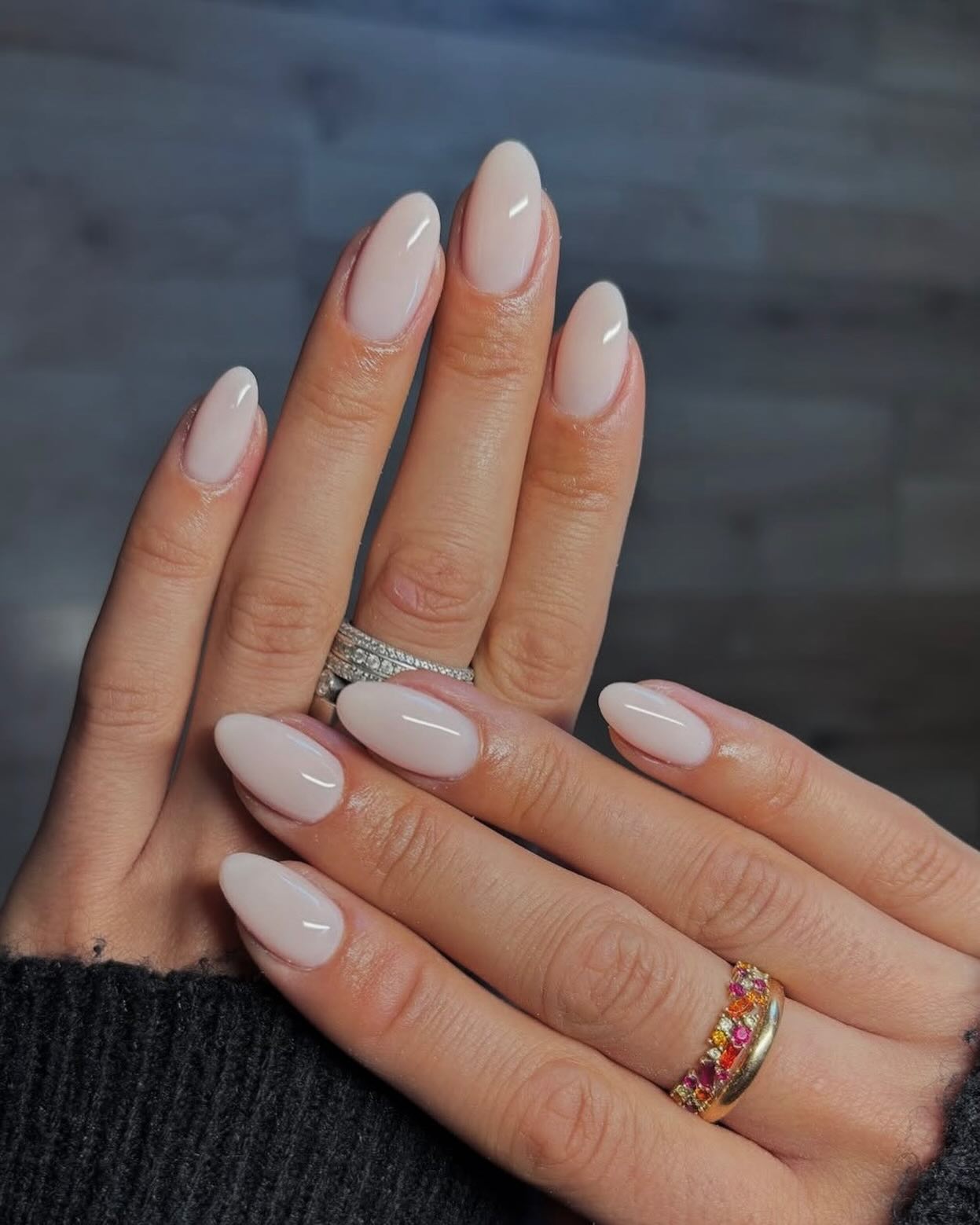
One of the biggest reasons the Russian manicure continues to dominate is the visual payoff. The cuticle area looks immaculate, giving the nails a clean, lifted appearance that photographs beautifully and holds up in real life. Because the polish sits closer to the skin, grow-out appears slower, allowing the manicure to last noticeably longer than traditional gel sets.
For many, especially those with fast-growing cuticles or uneven nail beds, this technique offers definition they’ve struggled to achieve before. Additionally, the dry prep allows gel to adhere more effectively, helping nails maintain their shape, shine, and smoothness well past the standard wear period. The final result feels almost architectural—structured, intentional, and refined.
Proof behind the controversies

The controversy surrounding the Russian manicure is not rooted in the technique itself being inherently harmful. Rather, it stems from the fact that it is an advanced method that requires rigorous training, anatomical knowledge, and uncompromising hygiene standards. When critics label it “unsafe,” they’re often responding to how it’s performed, not what it is.
In many Western countries, nail regulatory boards and cosmetology schools do not teach e-file cuticle work. In several U.S. states and parts of the U.K., beauty boards explicitly discourage using electric files on living skin. The reasoning is straightforward: regulatory bodies cannot ensure that every technician has the skill or discipline required to safely operate a drill around such delicate tissue. Instead of teaching a nuanced technique, they impose blanket restrictions, naturally fueling public concern.
Dermatologists have also documented legitimate complications linked to poorly executed Russian manicures. These include nail plate thinning, soreness around the nail folds, heat burns caused by excessive drill speed, and infections. These are not exaggerated internet warnings but medically observed outcomes. The cuticle serves as a protective barrier for the nail matrix, shielding it from bacteria and moisture. When too much of that barrier is removed, the risk of bacterial or fungal infection increases significantly.
Hygiene, training, and the real risk factor

Another recurring concern among professionals is hygiene. E-file bits often come into contact with areas prone to microtears, making strict sterilization essential. Medical-grade equipment, such as autoclaves, is required to properly disinfect tools between clients. Unfortunately, not every salon meets these standards. When tools are inadequately sterilized, the risk of transferring bacteria or viruses rises sharply, especially with techniques that involve close, repeated contact with living skin.
Once again, the issue is not the Russian manicure itself but the environment in which it’s performed and the expertise of the technician. The criticism, therefore, has a factual foundation: this technique demands more skill, training, and hygiene discipline than many regions currently require.
The nuance most conversations miss

A well-executed Russian manicure is both safe and remarkably long-lasting. For those who value pristine cuticles and a flawlessly polished nail bed, the results are difficult to match. However, this is not a technique for casual experimentation. Drill speed, pressure control, bit selection, and nail anatomy all require expert handling.
This is the nuance often lost in viral beauty debates. The Russian manicure isn’t dangerous by default; the lack of standardized training and regulation around who performs it is what raises concern. In Eastern Europe, technicians undergo extensive education before offering the service. In regions where that level of training isn’t standard, the gap between demand and expertise creates real risk.
Conclusion

Ultimately, Russian manicures illustrate a broader truth about beauty: innovation and risk often exist side by side. In the right hands, the technique is a modern masterpiece of precision. In the wrong ones, the outcome can validate every warning critics have raised.
Featured image: @nailsbykatek/Instagram
—Read also

