Face piercings have officially crossed into mainstream beauty culture. Wild, right? Just a few years ago, they were reserved for rockstars, rebels, and the delightfully eccentric. Fast forward to today, and everyone from runway models to everyday trendsetters is sporting sleek nose studs, eyebrow rings, septums, bridges, and even dermals. They’re expressive, stylish, and packed with personality. But unlike earrings, face piercings sit on delicate, highly visible areas, which means the aftercare is stricter, more delicate, and absolutely non-negotiable.
And here’s the deal: when a face piercing reacts, the world sees it. An irritated bump or an infection isn’t whispered; it’s announced. That’s just the price of visibility and audacity. Therefore, good aftercare keeps your piercing clean, irritation-free, and helps the jewelry settle beautifully. Whether it’s your first face piercing or your fifth, proper care makes all the difference. We wipe, we sanitize, and we keep making bold statements. That’s the memo.
Here’s how to care for your face piercings for maximum results…
#1. Start with a clean and reputable piercer
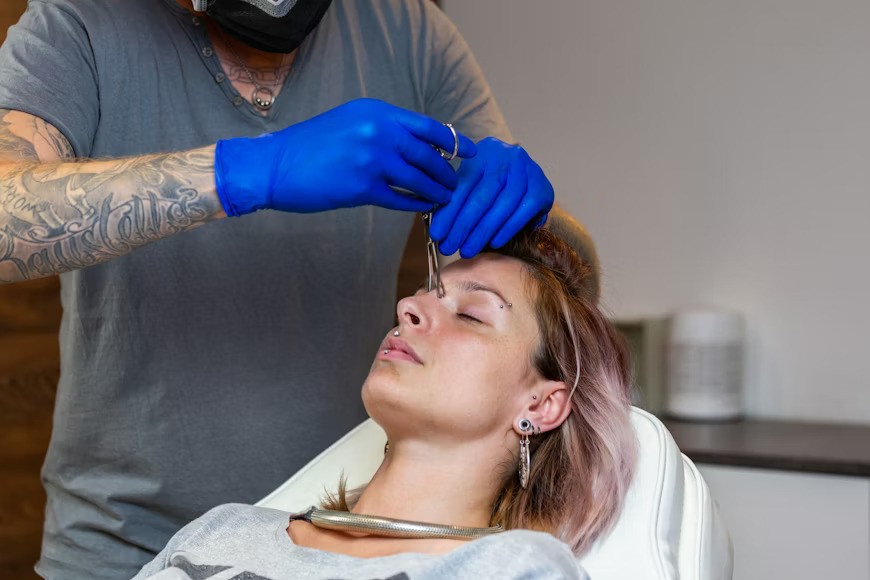
Healing begins the moment the needle goes in. A professional piercer uses sterile tools and places the jewelry where it will heal best, reducing swelling, bruising, and long-term complications. A clean studio sets the tone for a smooth healing journey from day one.
#2. Keep your hands off your face

Face piercings are tempting to touch, but touching introduces bacteria, and hands carry everything: sweat, dirt, oil, makeup residue, germs…the full orchestra. Keeping your hands off gives the piercing room to heal without constant irritation.
#3. Clean with saline and not alcohol
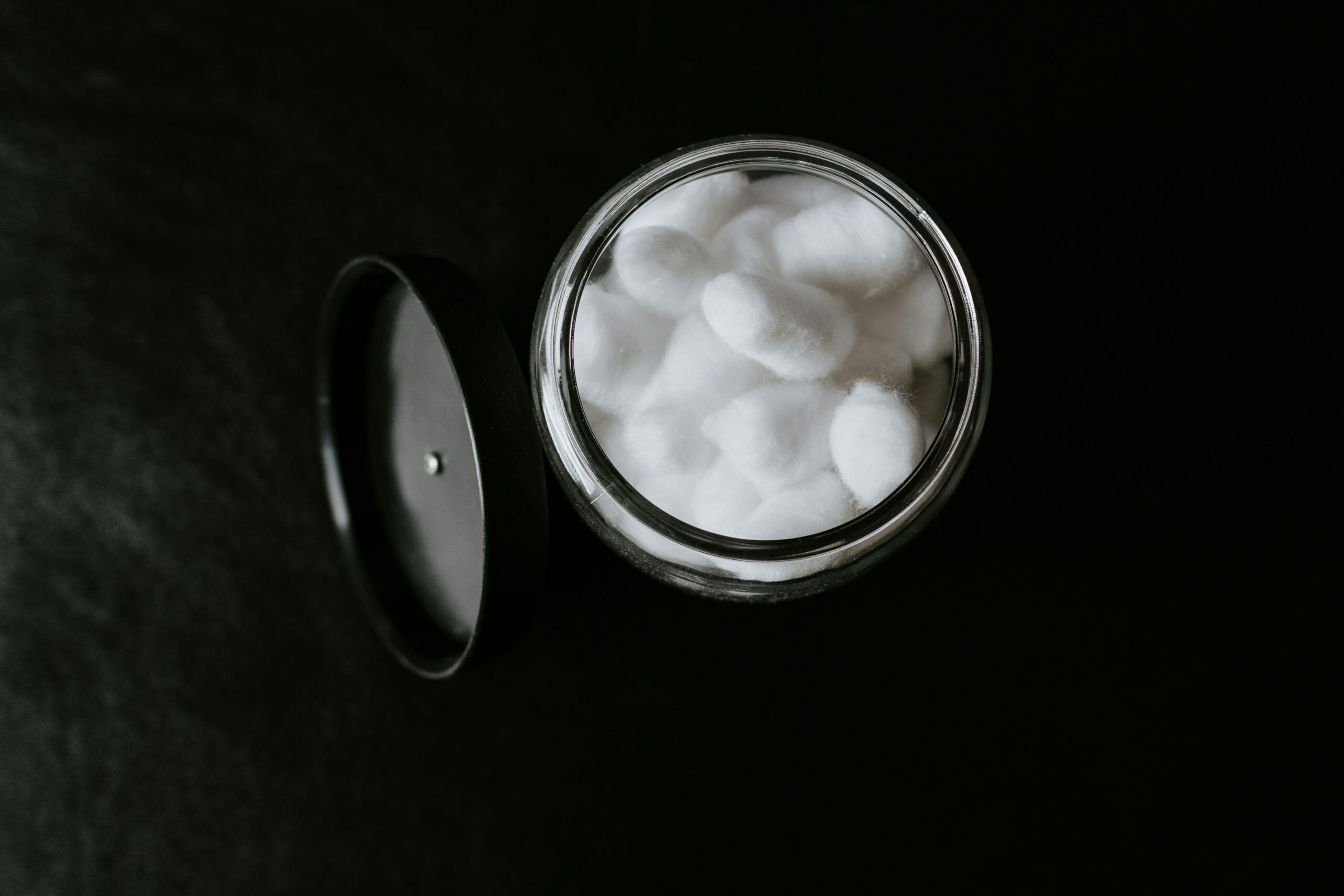
I don’t know who decided alcohol was an option, but let’s be honest, it’s not. Sometimes we assume complicated methods are more effective, but with piercings, simplicity wins. A saline solution is the safest way to clean without stripping or drying out the skin. Alcohol and peroxide are far too harsh and may damage the delicate tissue around the piercing.
Clean twice daily using:
- Sterile saline spray
- A clean cotton pad to dab (never rub)
- Gentle pressure to loosen crusts naturally
#4. Let the piercing breathe

Heavy makeup, foundation, and thick powders can clog, irritate, or infect the area, so it may be time for a full bare-face week in honor of your new piercing. Trendy and safe. Also, avoid friction from glasses, hats, scarves, masks, and even your phone screen. After a shower, let the area breathe. Constant rubbing causes bumps and slows healing. Adjust your accessories and stay mindful when dressing to avoid snags and painful tears.
#5. Don’t rotate the jewelry

Many people think spinning the jewelry helps (guilty!), but it actually causes micro-tears and pulls bacteria into the piercing channel. Leave the jewelry alone and let your body do the healing. No rotation required.
#6. Watch for irritation bumps

Not all bumps are infections. Some are simply the result of friction, touching, or stress on the piercing. A soft, harmless bump typically responds well to:
- Consistent saline cleaning
- Reduced pressure and friction
- Zero touching
- A jewelry check-in with your piercer
But if the bump becomes hot, painful, red, or filled with pus, it’s time for professional help.
#7. Be patient with the healing timeline

Face piercings heal faster than many body piercings, but they still require patience.
Typical healing times:
- Nostril: 4–6 months
- Septum: 2–4 months
- Eyebrow: 2–3 months
- Lip/Labret: 2–3 months
- Bridge: 2–3 months
- Cheek/Dermal: varies widely
Even when the outside looks healed, the inner channel may still be maturing. Avoid the urge to switch jewelry too early.
#8. Choose quality jewelry

Quality jewelry isn’t a luxury; it’s a necessity. Titanium, implant-grade steel, and solid 14k–18k gold are safe and skin-friendly. Cheap or mystery metals can irritate, tarnish, and disrupt healing. If the price tag feels too good to be true, trust me, the consequences won’t be. It’s better to wait and get piercings when you can afford quality pieces.
#9. Listen to your body

Persistent swelling, tightness, or discomfort means something isn’t right. Healing should gradually feel better, not worse. See your piercer early to prevent complications. And if things escalate and you can’t reach a professional, remove the jewelry until you can.
Face piercings are bold, delicate, and incredibly beautiful, and with the right aftercare, they stay that way for years. Taking the time to clean, protect, and nurture your piercing ensures it heals well and lets your jewelry shine exactly the way you intended.
Featured image: Thom Kerr for Glamour UK
—Read also

